Article
Caring for Aging Dogs: Tips for Supporting Your Senior Canine
Thoughtful care, small adjustments, and honoring every stage of life
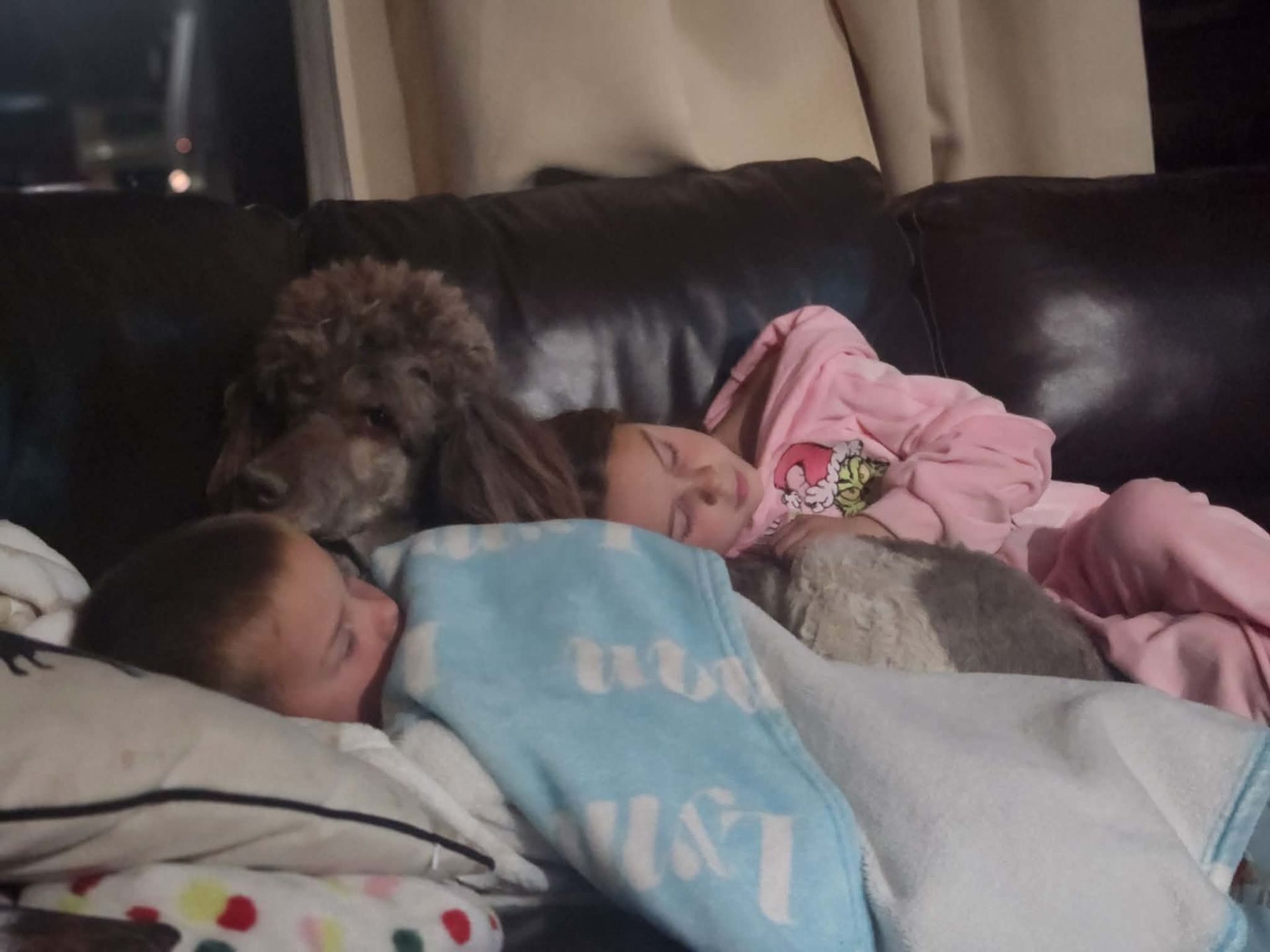
As dogs grow older, their needs naturally change. Aging is a normal part of life, and with thoughtful care, many dogs continue to live happy and comfortable lives well into their senior years. Understanding how dogs age and how owners can support them helps protect quality of life at every stage.
While every dog ages differently, research and veterinary experience continue to show that lifestyle, nutrition, and environment play a major role in how dogs feel and function as they grow older. Paying attention to changes and responding early can make a meaningful difference in a dog’s comfort and overall well-being.
When Is a Dog Considered a Senior?
Dogs age at different rates depending on size, breed, and genetics. While there is no exact age when a dog becomes a senior, general guidelines include:
- Small breeds often around 8 to 10 years
- Medium breeds around 7 to 9 years
- Large and giant breeds around 6 to 8 years
Some dogs show signs of aging earlier, while others remain active longer. Watching for subtle changes helps owners adjust care as needed.
Common Changes in Aging Dogs
As dogs enter their senior years, gradual changes are common.
Physical changes may include:
- Slower movement or stiffness when getting up
- Reduced stamina during walks or play
- Weight gain or muscle loss
- Changes in coat or skin condition
Behavioral and cognitive changes may include:
- Increased sleeping
- Mild confusion or disorientation
- Changes in routine or responsiveness
While many of these changes are part of normal aging, any noticeable shift should be discussed with a veterinarian to rule out underlying health concerns.
Ways to Support Your Aging Dog
Nutrition and Weight Management
Maintaining a healthy weight becomes increasingly important with age. Extra weight can place added strain on joints and organs. Senior-focused diets and adjusted portions can help support mobility and overall health.
Consistent, Gentle Exercise
Regular movement supports joint flexibility, muscle tone, and mental well-being. Shorter, more frequent walks are often more beneficial than long or strenuous activity.
Joint and Mobility Support
Supportive bedding, non-slip surfaces, and veterinarian-recommended joint supplements can help reduce discomfort and improve mobility.
Mental Engagement
Mental stimulation remains important throughout a dog’s life. Puzzle toys, gentle training refreshers, and social interaction help aging dogs stay engaged and confident.
Routine Veterinary Care
Senior dogs benefit from regular wellness exams to monitor changes and detect issues early. Dental care, mobility assessments, and routine bloodwork play an important role in senior health.
Creating a Comfortable Home Environment
Small changes around the home can greatly improve daily comfort for an aging dog:
- Orthopedic or supportive bedding
- Ramps or steps for vehicles, couches, or stairs
- Easy access to food and water
- A predictable routine that reduces stress
Comfort, familiarity, and consistency become increasingly valuable as dogs age.
Adding a Younger Dog to the Family
For some families, bringing a younger dog into the home while an older dog is still active can be a positive experience for both. A younger companion can add energy and engagement that encourages an aging dog to stay mentally and physically active. Many owners notice that their senior dog becomes more alert and interested in daily routines when a younger dog is introduced. Play, movement, and shared activities often help keep older dogs engaged.
When considering adding a younger dog, it is important to think about:
- The temperament and energy level of both dogs
- Giving the senior dog plenty of space and rest
- Supervising play to keep interactions positive
- Maintaining one-on-one time with the older dog
Thoughtful introductions and realistic expectations are key. The goal is companionship and balance, not competition.
If You Have Lost a Dog and Are Considering Another
Losing a dog is deeply personal and often life changing. There is no right timeline for welcoming another dog into your life. When the time feels right, it helps to consider what you need and what a future dog may need from you.
As you think about adding another dog, consider:
- Your current lifestyle, schedule, and energy level
- The age, size, and temperament that best fit your household
- Whether a puppy, adolescent, or adult dog is the right match
- How much time you can dedicate to training, exercise, and bonding
Some families find comfort in raising a puppy from the beginning, while others prefer the companionship of an adult dog. What matters most is choosing a dog that fits your life today.
Grief can exist alongside new love. Welcoming another dog does not replace the one you lost, but it can create space for a new relationship built on care, patience, and respect.
Aging With Care and Commitment
Aging does not mean the end of joy or connection. Senior dogs often form deeper bonds with their families and continue to offer companionship and loyalty every day. By recognizing changes early and adjusting care thoughtfully, owners can help their dogs age comfortably and with dignity.
At PTK Ranch, we believe lifelong care starts with thoughtful breeding and continues through every stage of a dog’s life. Supporting dogs as they age is part of honoring the commitment made when they become part of the family.